
Tin tức
What You Should Know About a Scatter Symbol
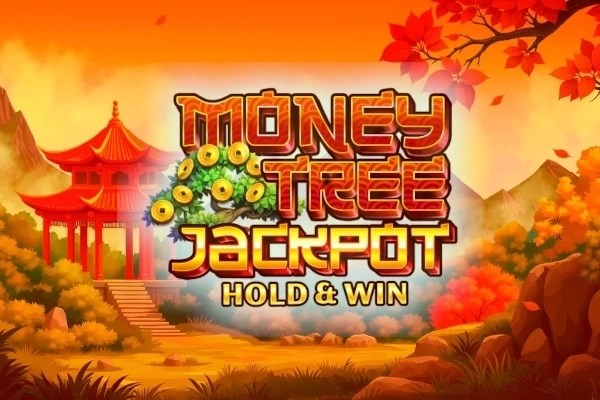
When I consider Hold and Win Games, I zero in on one symbol that alters the flow of the game: the scatter. I treat Hold and Win Games as a single slot-style game, not a casino brand, so everything here pertains to the game screen, its rules panel and the way a session unfolds. The scatter is often missed because it often does not pay on a payline. Instead, it usually triggers free spins, a hold-and-win respin round or another feature path. For UK players, that distinction is significant because the feature can carry most of the game’s upside. In this read the article I explain what the scatter does, how it relates to RTP, volatility, bet range and max win, and what I review before I spin. I also note where exact figures must come from the game’s own information screen rather than assumptions.
In what way Scatter Triggers Are Different from Payline Wins
I consistently separate scatter triggers from standard payline wins because the mechanics are fundamentally different. A payline win requires matching symbols to land on a specific line, usually from left to right, and the payout is computed by multiplying the line bet by the symbol’s coefficient. A scatter trigger, on the other hand, counts the number of scatter symbols anywhere on the reels, regardless of position. That means a scatter can occur on reel one and reel five without any connecting line and still register toward the trigger. I find this distinction crucial when I evaluate a game’s hit frequency. A scatter that awards a small scatter prize on top of triggering the feature gives me a small bankroll cushion, while a scatter that only unlocks the feature without any instant cash reward increases the variance of the session.
Another key difference is how scatter wins are multiplied. Most payline wins multiply the line bet, but scatter wins often multiply the total bet. I consistently verify this in the paytable because it can make a three-scatter payout remarkably large. For example, a game might provide a 2x total bet prize for three scatters, which is equivalent to a 20x line bet on a 10-line game. That kind of detail helps me comprehend why a session can feel more volatile when scatters land without triggering the main feature. I also notice that some games treat scatter pays as an addition to line wins, while others pay the scatter amount and then launch the feature, essentially giving me two rewards from one spin. Understanding this split lets me interpret the game’s rhythm more accurately and avoid misjudging a dead spin that actually returned a small scatter prize.
Volatility and the Scatter symbol’s Rate
Variance in Hold & Win Games is directly linked to how frequently the scatter shows up and how numerous are required to initiate the round. I use the scatter’s behavior as a practical gauge of a game’s volatility. A high-risk game may require four or five scatters for the principal bonus, and such scatters show up rarely, causing prolonged dry spells. A lower-variance title may activate with three scatters and present them more often, providing me briefer but more regular feature visits. I never trust gut feeling; I track my own spins over a few hundred rounds to determine if the scatter frequency corresponds to the stated hit rate. If a game asserts a 1 in 120 spin bonus frequency, I expect to notice a scatter trigger about once every 120 spins on average, though short-term results will differ.
I also look for scatter distribution patterns. Some games cluster scatters on certain reels, which alters the probability of hitting a complete set. If scatters only occur on reels one, three and five, the probability of hitting three scatters is far lower than if they can appear on all five reels. I review the paytable or the game’s help section for reel strip information when it is available. This degree of detail aids me understand why a session can feel more volatile than the RTP number indicates. I consider the scatter as the essence of the game’s volatility profile. When I see a game that gives a scatter prize for two symbols but requires five for the bonus, I identify a design that provides frequent small wins but a rare big feature, which is a classic high-volatility hallmark.
Which the Scatter Symbol Does in Hold and Win Games
In Hold and Win Games, the scatter is a symbol that commonly pays or triggers from any position, so it does not need to land on an active payline. I check the game rules because the trigger threshold can be three, four or five scatters, and some versions also give a scatter payout. The main job is to open the feature: free spins, a hold-and-win respin round or a combined path. That sets the scatter separate from a low-value line symbol. When I see two scatters, I record the near miss but do not assume the next spin is due. The symbol is part of the game’s random outcome, not a progress bar. I also look for whether scatters are excluded from wild substitution, because that affects how I view the grid. If the rules say scatters cannot be replaced, I quit expecting a wild to complete the trigger.
The scatter is not the same as a wild, even when both symbols seem important. A wild normally stands in for paying symbols on a line, while a scatter usually skips lines and triggers a feature. I study the paytable to see whether the scatter has a cash value, whether it shows on every reel and whether it can land during free spins. Some Hold and Win Games use scatters only in the base game; others let them retrigger the feature. That distinction impacts how I judge a session. If the scatter is the only route to the hold-and-win round, I devote close attention to its trigger rules. If free spins can retrigger, I verify whether the scatter count resets or carries over. I also confirm whether scatter wins are paid in addition to line wins or replace them, because that detail alters the total return I can anticipate from a single spin.
Checking the Game Rules for Scatter Details
Prior to spinning, I check the game’s information screen and search for the scatter section. I aim to find the exact trigger threshold, the payout for each scatter count, and whether scatters are available during free spins. I also look for any special conditions, such as scatters that only land on certain reels or that are eliminated after a trigger. This information is usually available under the paytable or a dedicated “features” tab. I view this step as non-negotiable because two games that look similar can have very different scatter rules. For example, one Hold and Win Game might require three scatters for the bonus and pay a 2x prize, while another needs four scatters and pays nothing. That difference alone can change the game’s volatility and session feel dramatically.
I also check for the theoretical RTP and the feature hit frequency if the developer provides them. Some games present a “bonus chance” percentage, such as 1 in 140 spins. I use that number to plan my session length and bet size. If the game does not reveal these figures, I rely on my own tracking and community data, but I always commence with the official rules. I pay attention to the fine print about scatter wins being paid in addition to line wins, because that affects how I interpret the win counter. A spin that shows a line win and a scatter prize might look like a single payout, but the rules specify the split. I also confirm whether the scatter symbol has any function in the base game beyond triggering the feature, such as functioning as a wild or having a multiplier. Every detail I obtain from the rules panel enables me take informed decisions instead of guessing.
The function of Scatters in Bonus Spins and Retriggers
When I start a free spins round, the scatter’s behavior often shifts. In many Hold and Win Games, the scatter symbol remains on the reels during free spins and can retrigger additional spins. I check the exact retrigger condition: some games need the same number of scatters as the initial trigger, while others reduce the threshold to two scatters. A lower retrigger threshold can greatly extend a bonus round, and I consider that in my assessment of the game’s potential. If the scatter is eliminated from the reels during free spins, I know the bonus has a hard cap, and I modify my expectations accordingly. I also examine whether the scatter can show up on all reels during the feature or only on specific ones, because that affects the probability of a retrigger.
Retriggers are not only about extra spins; they often bring additional modifiers. Some Hold and Win Games add a multiplier that increases with each retrigger, while others enlarge the reels or add extra hold-and-win symbols. I focus on the rules panel to find out if the scatter’s role changes. For instance, a game might use the scatter to accumulate special coins during free spins, and each collected scatter boosts a final prize. I view the scatter as a multi-purpose tool in these scenarios, not just a key. When I play a game where scatters can retrigger, I keep track of how many spins I have left and whether the scatter frequency feels consistent with the base game. If the game’s volatility shifts during free spins, the scatter becomes my main indicator of how long the bonus might last and how large the final payout could be.
Top Prize Potential and Scatter-Triggered Features
The scatter is frequently the key to a game’s maximum win, so I analyze how the feature can provide that top prize. In hold-and-win respin rounds, the scatter might activate a grid where special symbols contain jackpot values or multipliers. I search for the rules that explain how the grand jackpot is won. Sometimes the scatter must appear alongside a certain number of bonus symbols, or the feature itself has a escalating element where each scatter gathered during free spins builds a meter. I chart the path from scatter trigger to max win so I understand what sequence of events needs to happen. This enables me form realistic expectations; a 10,000x max win might need a flawless combination of retriggers and high-value symbols that happens once in millions of spins.
I also check whether the max win is restricted by the game’s software or by the maths model. Some games promote a 5,000x max win, but the scatter feature can theoretically produce higher amounts that are then truncated. I examine the game rules carefully to see if any excess is lost or if the round stops once the cap is reached. This is significant because a scatter-triggered feature that can go beyond the cap but gets cut short affects the effective RTP. I also evaluate the scatter’s role in progressive jackpot versions of Hold and Win Games. In those titles, the scatter might activate a jackpot wheel or a pick-me game, and the max win is not a set multiplier but a shared prize. I always check the current jackpot value and the trigger conditions before I commit my bankroll, because the scatter’s value in those games is tied to a number that fluctuates in real time.
Scatter Winnings and Their Impact on RTP
The scatter’s contribution to a game’s return to player (RTP) is often hidden in the maths model, but I can gauge its weight by examining the paytable. A scatter that awards a cash prize https://www.winnipegfreepress.com/business/2024/07/25/massachusetts-governor-signs-bill-cracking-down-on-hard-to-trace-ghost-guns for two, three, four or five of a kind delivers a small but stable stream of returns that balances the base game. I contrast the scatter payout to the highest-paying line symbol to determine its relevance. If a five-scatter prize equals 50x total bet and the top line symbol awards 500x line bet, the scatter’s RTP contribution is modest but not minor. In games where the scatter only activates a feature without any instant payout, the entire RTP allocation for that symbol sits inside the bonus round. That causes the base game feel tighter, and I accept that the real value is deferred.
I also examine how scatter payouts interact with the hold-and-win mechanic. Some games give a scatter prize and then fix the scatter symbols in place for a respin sequence, effectively awarding twice. This dual role can push the scatter’s RTP share higher than a casual glance indicates. I always look for the theoretical RTP figure in the game’s information screen and then mentally analyze where the value resides. If the base game RTP is 68% and the feature RTP is 28%, the scatter is the bridge between those two numbers. Comprehending that split enables me determine whether a game fits my session goals. I never trust guesswork; I study the rules and, where available, the game’s help file to see if the developer reveals the feature hit rate and average bonus value.
Stake Range Considerations If Scatters Are Key
My stake size directly affects how I encounter scatter-driven features because scatter rewards and bonus possibility usually rise with the total bet. I always examine the game’s bet range before I start, and I search for any rules that change the scatter’s performance at different bet levels. Most Hold and Win Games increase scatter prizes by the total bet, so a 20x scatter prize at a £1 bet pays £20, while the same prize at a £0.20 bet pays £4. That linear relationship is simple, but I also evaluate how the feature’s maximum win cap functions with my bet. If the game has a max win of 5,000x bet, a higher bet takes me closer to that ceiling faster, but it also reduces my bankroll more quickly during dry spells. I adjust my bet so that I can endure enough spins to hit the average bonus frequency.
Some games offer an ante bet or a bonus buy option that raises the scatter’s landing probability or lets me purchase direct entry to the feature. I view these options as a separate bet range decision. An ante bet might elevate my stake by 50% but double the chance of triggering the bonus, which modifies the effective RTP and volatility. I always check the adjusted RTP figure for the ante bet mode, because it is often slightly different from the base game. When I utilize a bonus buy, I pay a fixed multiple of my base bet to skip straight to the feature, and the scatter’s role in the base game becomes irrelevant. I weigh the cost of the buy against the average feature payout to judge if it makes mathematical sense for my session. I never assume a bonus buy is automatically good value; I confirm the game’s information screen for the feature RTP and match it to the buy cost.
FAQ
What is a scatter symbol within Hold and Win Games?
A scatter symbol acts as a special icon that often pays or triggers a feature no matter its position on the reels. It does not need to land on a payline. In Hold and Win Games, the scatter usually unlocks free spins, a hold-and-win respin round or a combined bonus. I always check the paytable to see the exact trigger threshold and if the scatter also awards an instant cash prize.
Is it possible for a scatter symbol pay a cash prize without triggering the feature?
Yes, many Hold and Win Games feature a scatter payout for landing two, three, four or five scatters anywhere on the screen. This prize is generally a multiple of the total bet. Even if the required number for the feature is not met, a smaller scatter prize can still be awarded. I confirm this in the rules because it adds a small return to the base game and reduces dead spins.
Are scatters work during free spins?
In most Hold and Win Games, scatters remain active during free spins and can retrigger additional spins. beginner’s guide The retrigger condition could be the same as the base game or reduced to two scatters. I make sure to check the feature rules because some games remove scatters entirely during free spins, which caps the bonus length. Retriggers often come with extra modifiers like multipliers or expanded reels.
In what way does the scatter influence a game’s RTP and volatility?
The scatter contributes to RTP either through direct cash prizes or by unlocking the feature where a large portion of the return is stored. A scatter that only triggers the bonus without a cash prize shifts RTP into the feature, making the base game tighter. Volatility is affected by how many scatters are needed and how often they land. Fewer scatters and higher frequency lower variance, while rare, high-threshold triggers increase it.
Where can I find the exact scatter rules for a specific game?
I usually open the game’s information screen, often accessed via an “i” or menu button. The paytable lists scatter payouts, trigger requirements and any special conditions like reel restrictions. Some developers also show the feature hit frequency and theoretical RTP. I base my knowledge on this official data rather than assumptions, because scatter behaviour can vary significantly between different Hold and Win Games.
 Chat với tư vấn viên
 Gọi ngay